When to tell your insurer about a teen driver in Missouri
Know when to call your insurer about a Missouri teen driver, what to confirm before the first solo trip, and how to compare family car options.
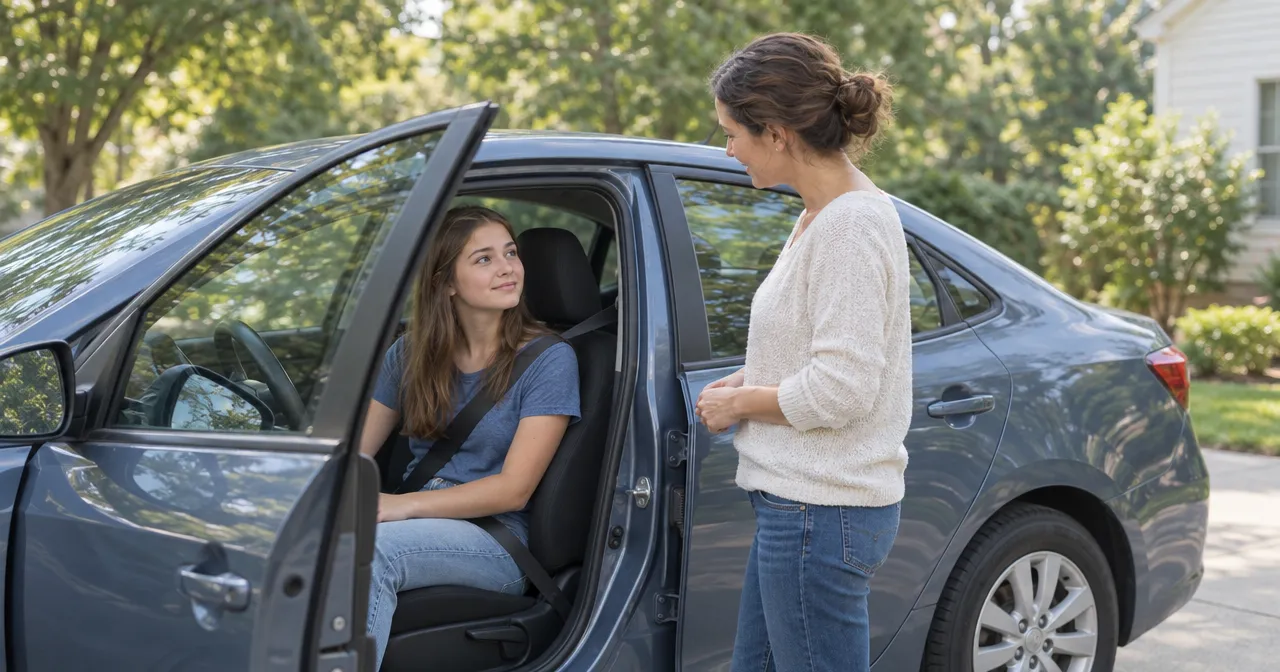
Call your auto insurer before your teen’s first practice drive. Ask whether the insurer needs to list your teen when the instruction permit is issued or at a later stage, and confirm which cars your teen can practice in. Call again when your teen moves to an intermediate license, and confirm that any required policy change is in effect before the first solo trip.
Missouri’s licensing rules tell you when your teen can legally drive and who needs to sit beside them. Your auto policy answers a different question: what coverage applies when your teen drives a particular car? It helps to settle both questions before handing over the keys.
Before the learner’s permit: confirm coverage for practice drives
In Missouri, a teen can apply for an instruction permit at 15. A permit allows supervised driving, not solo driving. The qualifications for the person in the front passenger seat depend in part on the permit holder’s age, so read the Missouri Department of Revenue’s graduated licensing guide before arranging practice with a relative, family friend, or instructor.
For the insurance call, start with the car you actually plan to use. For example: “My daughter expects to get her permit next week. She’ll practice in our sedan with me on weekends and may also drive our SUV with her other parent. What do you need from us before she drives either car?” Ask:
- Does she need to be listed at the permit stage? If so, find out what information the company needs, when the change should take effect, and whether there is a premium change. If not, ask the insurer to confirm how the policy treats her supervised practice and when you need to call back.
- Which cars and coverages does that answer apply to? A yes for one car doesn’t tell you what applies on a car insured elsewhere. Even if both cars are on one policy, ask about the coverage and deductible on each.
- What if practice has already started? Give the insurer the actual permit date, say which cars your teen has been driving, and ask what needs to happen before the next drive.
If the insurer says to call back when your teen is licensed, make a note of what they confirmed about the permit period and which cars you discussed. If your practice plan changes in the meantime, check again. For instance, if the sedan needs repairs and you’ll switch to a relative’s pickup, have the pickup’s owner confirm the arrangement with their insurer before practice.
Before the first solo drive: check the effective date
An eligible Missouri teen can apply for an intermediate license at 16 and begin driving alone after it’s issued, subject to restrictions. For a teen moving up from a Missouri permit, the Department of Revenue lists a minimum permit period of 182 days and 40 hours of driving instruction, at least 10 of them at night, among the requirements. Passing the road test isn’t the same as receiving the license.
Check the state’s passenger and nighttime rules before making plans. For example, during the first six months with an intermediate license, a teen generally can’t drive two friends under 19 to school at the same time. That’s a licensing restriction, even if the insurer has already confirmed the teen is listed on the policy.
It’s worth calling before the road test to find out what the insurer will need once the intermediate license is issued. Then report the actual license date as agreed and ask for confirmation that any required change is effective before your teen drives alone. If you’re planning around a Friday test and a Saturday shift, ask ahead of time how to confirm the update if the office is closed. A price estimate or a request to make a change isn’t confirmation that the change is in force.
When the updated documents arrive, look for the effective date and check the driver and vehicle details against what you discussed. If you can’t tell how your teen is listed, or which vehicle a deductible applies to, ask the insurer to point it out. Save the confirmation with your policy documents so you can refer to it the next time something changes.
If your teen shares cars or splits time between homes
Start with access, not just the car you think of as your teen’s. Tell the insurer which cars your teen will use regularly and which ones they might drive occasionally. There’s a difference between using the SUV once while the sedan is in the shop and taking it to school every Thursday. If your household has several vehicles, ask how the insurer records the primary driver or rates the teen and whether that affects anything besides price. Don’t name a car as the usual one just because it produces a lower quote if your teen will mainly drive something else.
If your teen lives in two households or practices in a grandparent’s car, have the policyholders check with their own insurers. Describe where the teen stays, how often they use each car, and where the cars are usually parked overnight. Ask whether the teen needs to be listed on either or both policies and how each would apply to the actual arrangement. Don’t assume a teen listed on one parent’s policy is automatically covered the same way in the other parent’s car.
The Missouri Department of Commerce and Insurance’s guide to who is covered notes that policies can specifically exclude named drivers, including household members. It also notes that some policies may provide lower liability limits for drivers outside the household who have permission to use the car. That’s why “Grandma said it was OK” answers the permission question but not the whole insurance question.
Before buying a car: get a quote for the actual plan
Sharing a family car and buying a third car are different scenarios. If you’re considering both, ask for an estimate for adding your teen to the existing policy without another car, then for an estimate that includes the specific car you’re considering. Use the same liability limits in both estimates so you can see what changes when you add the vehicle. The Missouri insurance department’s guide to rates explains why details such as the car’s type and age, where it’s kept, and how it’s used can affect the price.
For a car you’re serious about buying, get the vehicle identification number (VIN) before you commit. Tell the agent who will be on the title, whether there’s a loan or lease, where the car will normally be kept, and what your teen will use it for. If your teen plans to deliver food or make other paid deliveries, say so specifically before the first shift. Driving to work and using the car to do the work are different uses; ask what the policy covers rather than assuming both are treated alike.
A hand-me-down calls for the same questions. For example, if you transfer the title of your paid-off sedan to your teen, tell the insurer before the transfer and ask how it affects the policy. Keeping the same car in the same driveway doesn’t mean the insurer can leave the ownership details as they were.
If you settle on buying a car, confirm the coverage and its effective date and time before pickup. That matters if you’re buying the car on Saturday but don’t plan to give your teen the keys until Monday: ask about coverage for the adult driving it home as well as coverage for the teen’s first drive. If you’re keeping the old car for a few weeks while you sell it, say so rather than asking to replace it outright.
Review the coverage on the car your teen will drive
Rather than ask if a car has “full coverage,” name a situation and ask which part of the policy would respond. The Missouri consumer guide to auto insurance explains the main coverages and how to find them on the declarations page. Here are three questions to start with:
- What if my teen backs into a neighbor’s car? Property damage liability may pay for covered damage to the neighbor’s car if your teen is responsible, up to the applicable limit. Repairing your own bumper is a separate question for collision coverage, if the car has it. Ask about bodily injury liability limits as well, and how the per-person and per-accident limits work if more than one person is hurt.
- What if hail damages the car in the school parking lot? That’s generally a question for comprehensive coverage, not collision. Ask whether comprehensive is on that particular car and confirm its deductible separately. The deductible on your SUV may not be the same as the one on the sedan.
- What if another driver causes a crash and has no insurance or not enough? Review uninsured and underinsured motorist protection separately. Ask what each covers under your policy, what limits apply, and whether you’re talking about injuries or damage to the car.
If you’re weighing a higher deductible for a lower premium, put the two numbers side by side. For example, raising a collision deductible from $500 to $1,000 would leave you responsible for up to an additional $500 on a covered collision claim. Ask for the actual premium difference over the policy term, and decide whether you could pay the higher amount without putting off a necessary repair. If the car is financed or leased, check the contract before reducing physical damage coverage or changing deductibles.
Ask which discounts apply and what proof you’ll need
Ask for the cost of adding your teen with your current coverage first. Then ask what discounts are available on your policy and which are included in the estimate. Farmers’ car insurance discount guide lists good-student and distant-student discounts, but availability and eligibility can vary. For a good-student discount, ask what the insurer accepts as proof and when to send it. If your teen later goes away to school without a car, ask whether that change affects the policy; don’t assume you should remove a student who still drives on breaks.
If the price changes partway through your policy term, ask which part of the next bill reflects the remaining term and what the updated payment schedule looks like. That’s more useful for budgeting than assuming the first bill after the change represents every month going forward.
What to have ready when you call
Have the permit or expected license date, a list of the cars your teen will use, and your current declarations page. If you’re shopping for a car, add the VIN and expected pickup date. Close the call by confirming three things: which cars your teen can drive under the policy, what change needs to be made and when it takes effect, and when to check in again.
Existing Farmers customers can call Troy E. Jones Insurance and Financial Services in Springfield at (417) 581-6565 or Bolivar at (417) 777-5222 to review how their policy handles a new driver. If you’re shopping for auto insurance, you can request a quote and explain whether your family plans to share a car or buy another one. Submitting the quote form asks the agency to follow up; it does not start or change coverage.